In this article
Eliminating the Latency Penalty of Voice Conversational AI
Traditional voice chatbots chained three discrete models: Speech-to-Text (Whisper) → LLM (GPT-4) → Text-to-Speech (ElevenLabs). This cascaded architecture introduced 2.5–4.0 seconds of latency, destroying natural conversational cadence. The OpenAI Realtime API introduces native speech-to-speech multimodal streaming over WebRTC, delivering fluid human-like conversations with sub-300ms latency.
Documented by Saizul Amin for conversational AI engineers and real-time systems developers.
Python WebSocket Session Handshake
import asyncio
import json
import websockets

URL = "wss://api.openai.com/v1/realtime?model=gpt-4o-realtime-preview-2024-10-01"
API_KEY = "YOUR_OPENAI_API_KEY"

async def start_voice_session():
    headers = {
        "Authorization": f"Bearer {API_KEY}",
        "OpenAI-Beta": "realtime=v1"
    }

    async with websockets.connect(URL, extra_headers=headers) as ws:
        # Configure Realtime session
        init_event = {
            "type": "session.update",
            "session": {
                "modalities": ["audio", "text"],
                "voice": "alloy",
                "input_audio_format": "pcm16",
                "output_audio_format": "pcm16"
            }
        }
        await ws.send(json.dumps(init_event))
        print("Realtime voice session established successfully.")

if __name__ == "__main__":
    asyncio.run(start_voice_session())
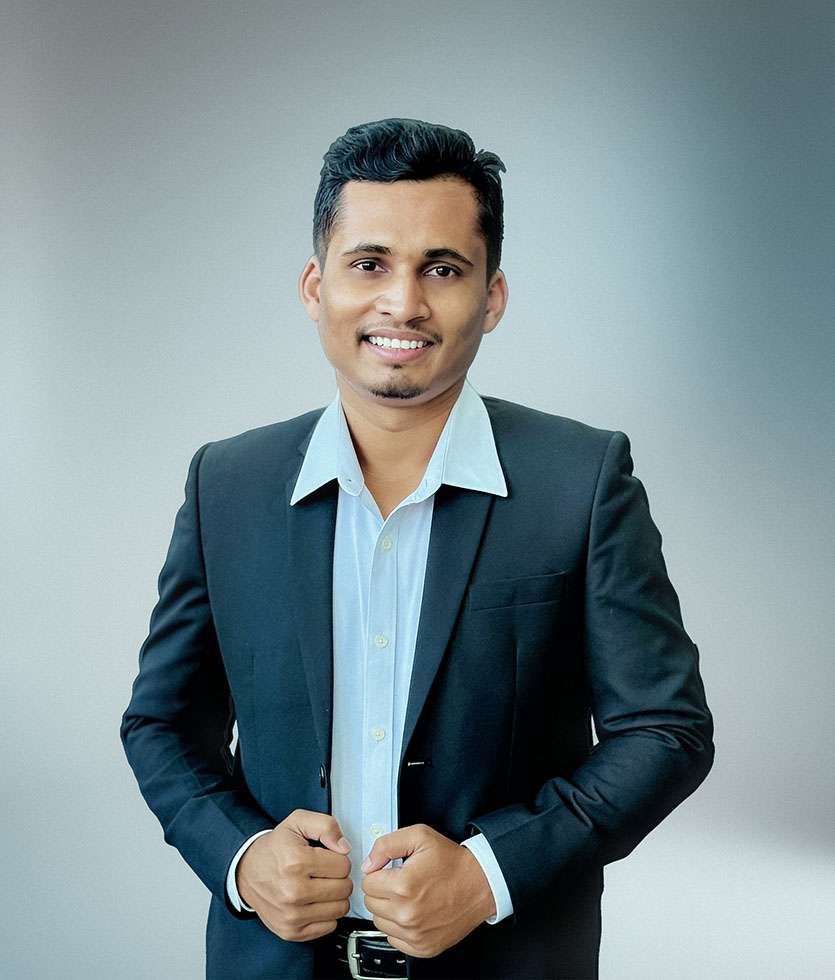
Md Saizul Amin
Digital Systems Strategist · AI Agent Developer · 9+ years in digital & ITMd Saizul Amin is a digital systems strategist and AI automation engineer from Dhaka, Bangladesh. With 9+ years across IT, web development and digital marketing, he writes practical guides on technology, business, education and online growth — and builds the same kinds of systems (AI agents, websites, SEO and ad campaigns) for clients in Bangladesh, the UK and the USA.
Specialist in
Credentials & experience
- 🎓B.Sc. in Computer Science & EngineeringBangladesh University of Business & Technology (BUBT), 2017–2021
- 🤖AI Automation Engineer · Web Developer · SEO SpecialistUnique Mark Limited, Birmingham UK — 2024 to present
- 🌱IT SpecialistGreen Fund Initiative Inc., USA — 2024 to present
- 🏥Junior IT Consultant — Ministry of Health (DGHS)Built the first national Shareable Health Record website; supported 6,000+ facilities
- 🧭Head of ITWEDO Bangladesh — led IT for 50+ staff, 2021–2023